
The best medicine doctors don’t tell you about | USA Today
February 24, 2017
By Shilpa Ravella
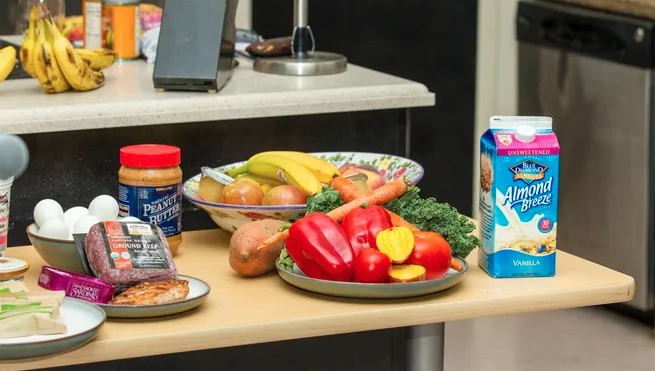
Food choices are the most important cause of poor health in the United States. Seven out of ten deaths are caused by chronic diseases like cancer, type 2 diabetes and heart disease, which can be prevented or treated with diet and account for 86% of the $2 trillion spent on U.S. health care every year. But food-as-medicine is still fringe medicine, a practice more likely to be found at a few specialized clinics rather than in the halls of academic medical institutions.
Only 14% of doctors feel qualified to talk to patients about food. The American Heart Association recently issued a scientific statement calling for improved nutrition training for doctors. But education is only a part of the problem — financial incentives also keep food out of medicine.
In academic research, whole foods get less money and attention than drugs even though studies show that food can dramatically affect health. Because there is no intellectual property involved in prescribing food, companies are not interested in funding scientists to study it. And in contrast to drug research, nutrition research is harder to conduct and interpret, making it more confusing and easy to ignore.
When the hospital serves McDonald’s | The Atlantic
February 9, 2016
By Shilpa Ravella
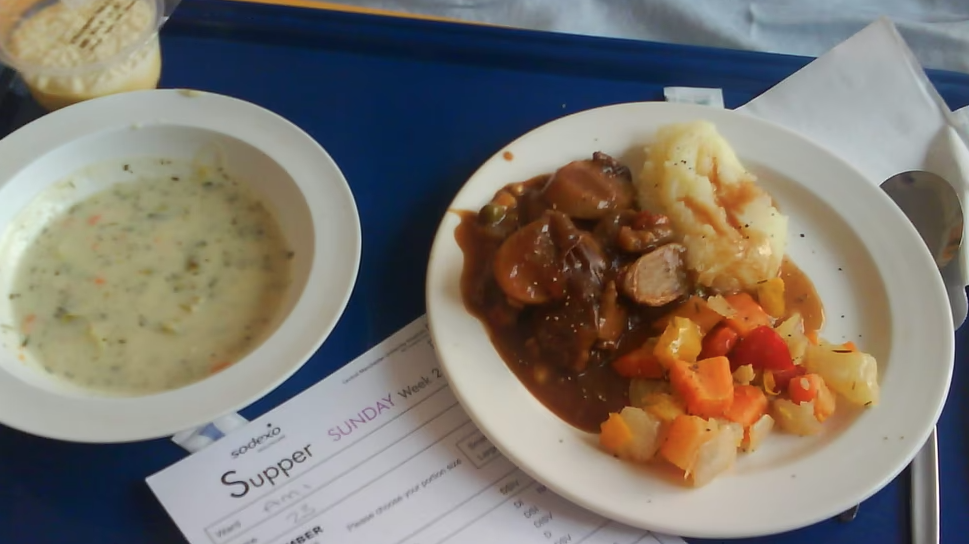
When I was a medical student doing my clinical rotations around 10 years ago, I regularly ate frozen, re-fried chicken sandwiches from the hospital cafeteria, often while watching anatomy videos depicting body parts that resembled my food. And the closer I came to being a full-fledged doctor, the worse my diet seemed to become: The daily conferences I attended as part of my residency included catered meals that were loaded with sugar, salt, and cholesterol. My fellow residents and I had no problem prescribing drugs for cardiac patients as they dug into a hospital breakfast of bacon, eggs, and hash browns, because it was the same food available to us during our 30-hour shifts. Soon after I began my gastroenterology fellowship in 2010, a crash course in nutrition, I vowed never to leave the house without packing my meals for the day.
The science linking a poor diet to illnesses like heart disease and cancer is robust. This past October, the World Health Organization released a report placing processed meat in the highest-risk category for carcinogens, and declaring red meat “probably carcinogenic.” Meanwhile, the latest dietary guidelines from the U.S. Office of Disease Prevention and Health Promotion emphasized the health value of plant foods.
This fact—a plant-based diet is healthier than a meat-heavy one—isn’t exactly new knowledge. But even as medical researchers discover more about the foods that keep our bodies well, many hospitals continue to serve foods that promote disease.
Food doesn’t have to wear makeup | Slate
July 7, 2016
By Shilpa Ravella
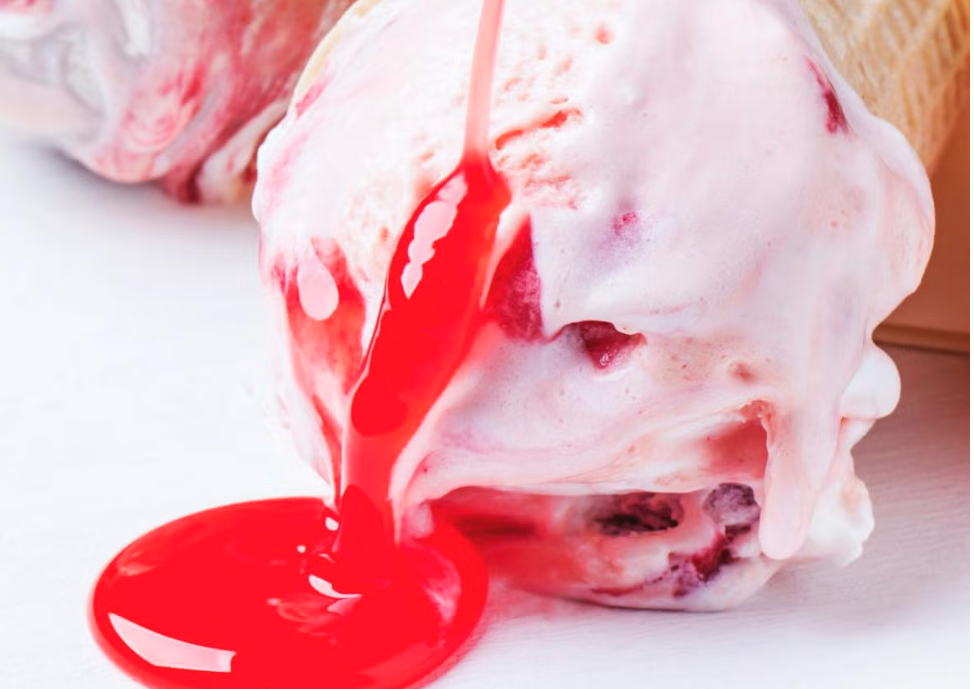
In Britain, McDonald’s fries have four ingredients: potatoes, vegetable oil, dextrose, and salt. In the U.S., McDonald’s fries have a whopping 19 ingredients—including sodium acid pyrophosphate, which keeps the fries’ color from getting dull. This is strange since you’d think that all we really expect of French fries is for them to at least vaguely mimic the color of a potato. Then there’s McDonald’s strawberry sundae. In Britain’s version, all the color comes from real strawberries. In the U.S., we use Red No. 40. This plays out beyond the fast food chain: For example, Starburst fruit chews are colored with carotenes and chlorophylls across the Atlantic but with Red No. 40 and Yellow No. 6 in the U.S. Many major food companies in the U.S. use artificial food dyes in America—while selling naturally colored or dye-free versions in Europe.
Chemicals like Red No. 40, Yellow No. 5, and Blue No. 1 make American food look better. These additives are the culinary equivalents of lipstick and mascara, and they are often made from the same pigments. Making food pretty has become the status quo in the U.S., but it’s not doing us any good: Not only does it trick us into thinking some foods are healthier than they are, but the dyes themselves may be harmful. So why do we use keep using these dyes when so many other countries manage without them?