
Antibiotics: take them only when you really need them
November 27, 2017
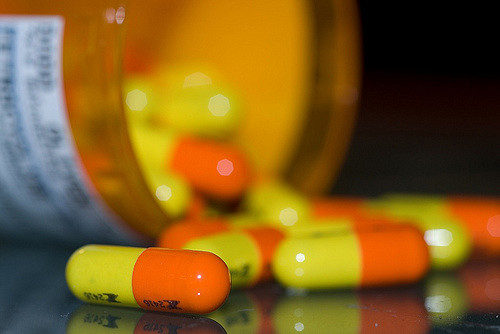
We know that antibiotics can be life-saving, but they can also wreak havoc on your gut microbiome. Antibiotics can wipe out bacterial species and decrease the diversity of the gut microbiome, so don’t take them unless there’s a good reason to do so. Discuss the risks and benefits with your doctor. There are a lot of questions you can ask your doctor.
(more...) [addtoany]Does everyone need a probiotic supplement?
September 15, 2017
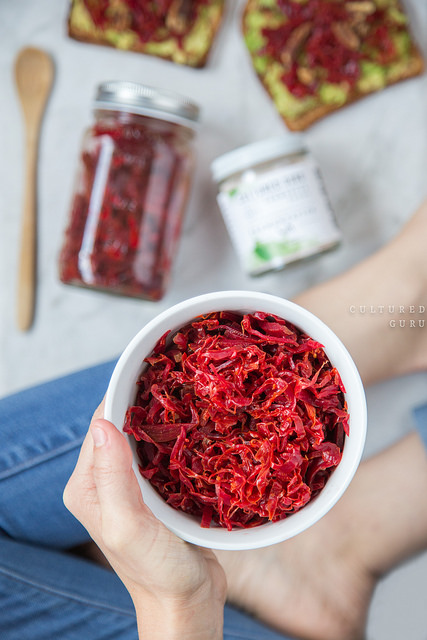
Probiotics are good bacteria. They can restore the biodiversity within the microbiome, fight pathogenic organisms and help heal the gut mucosa. Healthy people should include a few tablespoons of fermented foods, which are rich in probiotics, in their daily diet. Foods like sauerkraut, kimchi, kombucha, microalgae, tempeh and miso soup and good sources of probiotics.
(more...) [addtoany]Fiber: how much and which kinds should you get?
August 7, 2017
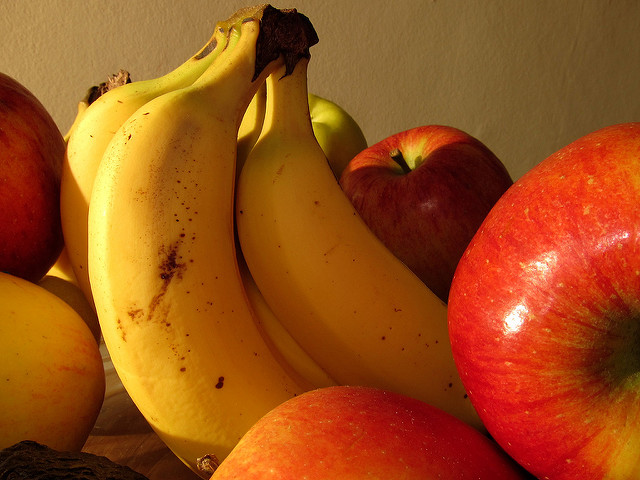
Soluble fiber is a “prebiotic,” or food for the intestinal bacteria. Some of the best sources of soluble fiber are bananas, asparagus, garlic, onion, leeks, dandelion greens and Jerusalem artichokes.
(more...) [addtoany]Gut microbiome: another reason to exercise
 April 30, 2017
In 2014, researchers comparing the National rugby team of Ireland and sedentary men reported in the journal Gut that being physically fit was associated with a greater diversity of gut bugs. But correlation vs causation was debated, as with many microbiome studies.
Newer research conducted in rodents has found that exercise, regardless of diet type, improved the makeup of the gut microbiome and raised the levels of butyrate, a short-chain fatty acid that nourishes the intestinal barrier and helps protect against colon cancer. Rob Knight, director of the Center for Microbiome Innovation at U.C. San Diego, told Vogue, “That people who move more have a more diverse microbiome is something that we noticed at my lab several years ago, but we couldn’t prove causality…these studies are incredibly exciting”
The newest research conducted by the same authors of the 2014 study showed that athletes had increases in beneficial fecal metabolites like short-chain fatty acids. “Our earlier work, also published in ‘Gut’, had shown that the microbiome of the athletes differed in composition from that of non-athletes, but now we have found that functional behaviour of the microbiome separates the athletes and controls to an even greater degree,” said Professor Fergus Shanahan, one of the study’s lead authors.
The best medicine doctors don’t tell you about | USA Today
February 24, 2017
By Shilpa Ravella
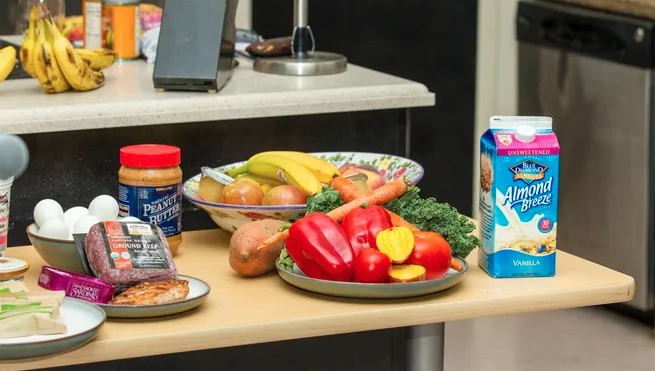
Food choices are the most important cause of poor health in the United States. Seven out of ten deaths are caused by chronic diseases like cancer, type 2 diabetes and heart disease, which can be prevented or treated with diet and account for 86% of the $2 trillion spent on U.S. health care every year. But food-as-medicine is still fringe medicine, a practice more likely to be found at a few specialized clinics rather than in the halls of academic medical institutions.
Only 14% of doctors feel qualified to talk to patients about food. The American Heart Association recently issued a scientific statement calling for improved nutrition training for doctors. But education is only a part of the problem — financial incentives also keep food out of medicine.
In academic research, whole foods get less money and attention than drugs even though studies show that food can dramatically affect health. Because there is no intellectual property involved in prescribing food, companies are not interested in funding scientists to study it. And in contrast to drug research, nutrition research is harder to conduct and interpret, making it more confusing and easy to ignore.
Scientists can tell if you’re eating healthy by studying your pee | New York Magazine
February 22, 2017
By Shilpa Ravella
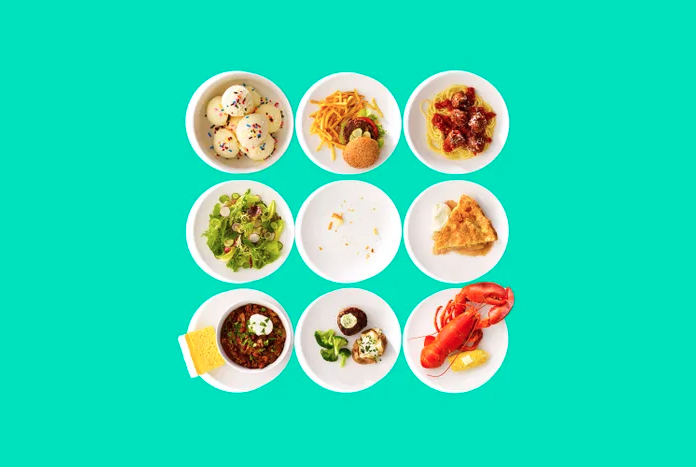
If you’re like most people, you may have a vague sense of how well you’re doing, nutritionwise — something like “pretty healthy” or “I could be better” — but unless you make all your own food and keep a meticulous diary of what you put in your mouth, you’re probably a little fuzzy on the details. After all, it’s hard to remember every single one of your meals and snacks, and harder still to know everything you’ve been eating and how much of it was good for you, or if your weekday smoothie-and-salad routine is enough to cancel out the weekend junk-food binges. Whether it’s intentionally or inadvertently, people tend to overreport their consumption of healthy foods and underreport unhealthy foods — a big problem for nutrition researchers trying to understand how our bodies respond to what we eat.
But it may not be a problem much longer. At some point down the road, your pee may be able to do the work for you: In a study published last month in The Lancet Diabetes and Endocrinology, scientists described a urine test that identifies chemical compounds that are produced when the body breaks down foods like red meat, chicken, fish, fruits, and vegetables. The test can also reveal how much sugar, fat, protein, and fiber someone has eaten. “We’re not at the stage yet where the test can tell us a person ate 15 chips yesterday and two sausages, but it’s on the way,” said lead study author Isabel Garcia-Perez, a medical research associate at Imperial College London.
Telomeres, the key to longevity, show food may be the best anti-aging treatment | Forks Over Knives
February 8, 2017
By Shilpa Ravella
The global anti-aging market will be worth nearly $200 billion in 2019. New beauty technologies make anti-aging products big business. But what about the possibility of anti-aging treatments for the health of our body, and not just the surface of our skin? Is there a way to fight not only wrinkles but also biological aging leading to disease and death?
Today we are learning more about the molecular pathways underlying aging and how the foods we eat can affect these pathways to slow down or speed up the clock. We do have an anti-aging secret, one that can keep us young inside and out, and it’s the best-kept one to date.
Prevent and treat heartburn
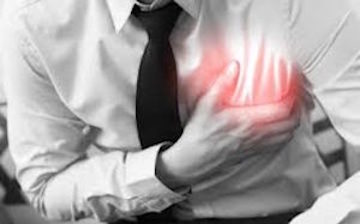
Lifestyle choices, including the food you eat, can help prevent or treat acid reflux. Some quick tips:
Manage stress
Get good sleep
Maintain a healthy weight
Avoid smoking
Avoid or limit spicy, fried or fatty foods, chocolate, onions, garlic, citrus fruits and juices, tomato-based foods like pizza, caffeine, alcohol
Eat whole foods high in fiber. They can protect against acid reflux and esophageal cancer
Eat small meals and avoid overeating
Don’t lie down after a meal and don’t eat too close to bedtime
If you have heartburn at night or while trying to sleep, elevate the head of your bed.
Foods that can cause diarrhea

December 14, 2016
In general, most cases of acute diarrhea are infectious and more likely viral than bacterial. As diarrhea persists, noninfectious causes become more common. Inflammatory bowel disease, irritable bowel syndrome and malabsorption syndromes can all cause diarrhea. Food can also be responsible for gastrointestinal symptoms. Common foods that cause diarrhea include sugar substitutes, coffee, alcohol, dairy, wheat, FODMAPs, spicy food and fast food.
(more...) [addtoany]