
July 7, 2016
By Shilpa Ravella
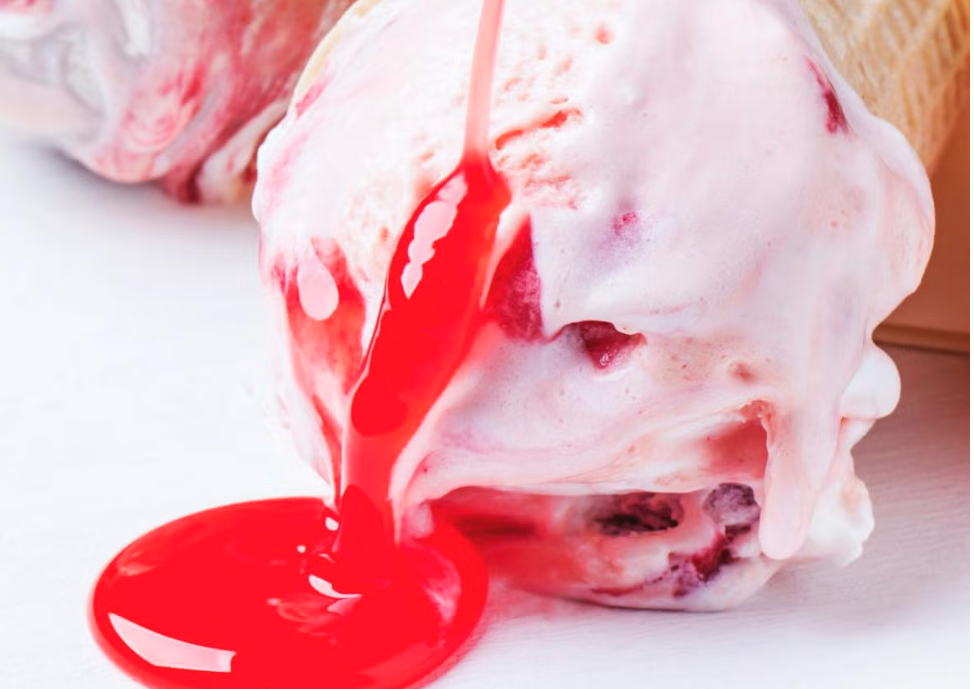
In Britain, McDonald’s fries have four ingredients: potatoes, vegetable oil, dextrose, and salt. In the U.S., McDonald’s fries have a whopping 19 ingredients—including sodium acid pyrophosphate, which keeps the fries’ color from getting dull. This is strange since you’d think that all we really expect of French fries is for them to at least vaguely mimic the color of a potato. Then there’s McDonald’s strawberry sundae. In Britain’s version, all the color comes from real strawberries. In the U.S., we use Red No. 40. This plays out beyond the fast food chain: For example, Starburst fruit chews are colored with carotenes and chlorophylls across the Atlantic but with Red No. 40 and Yellow No. 6 in the U.S. Many major food companies in the U.S. use artificial food dyes in America—while selling naturally colored or dye-free versions in Europe.
Chemicals like Red No. 40, Yellow No. 5, and Blue No. 1 make American food look better. These additives are the culinary equivalents of lipstick and mascara, and they are often made from the same pigments. Making food pretty has become the status quo in the U.S., but it’s not doing us any good: Not only does it trick us into thinking some foods are healthier than they are, but the dyes themselves may be harmful. So why do we use keep using these dyes when so many other countries manage without them?